

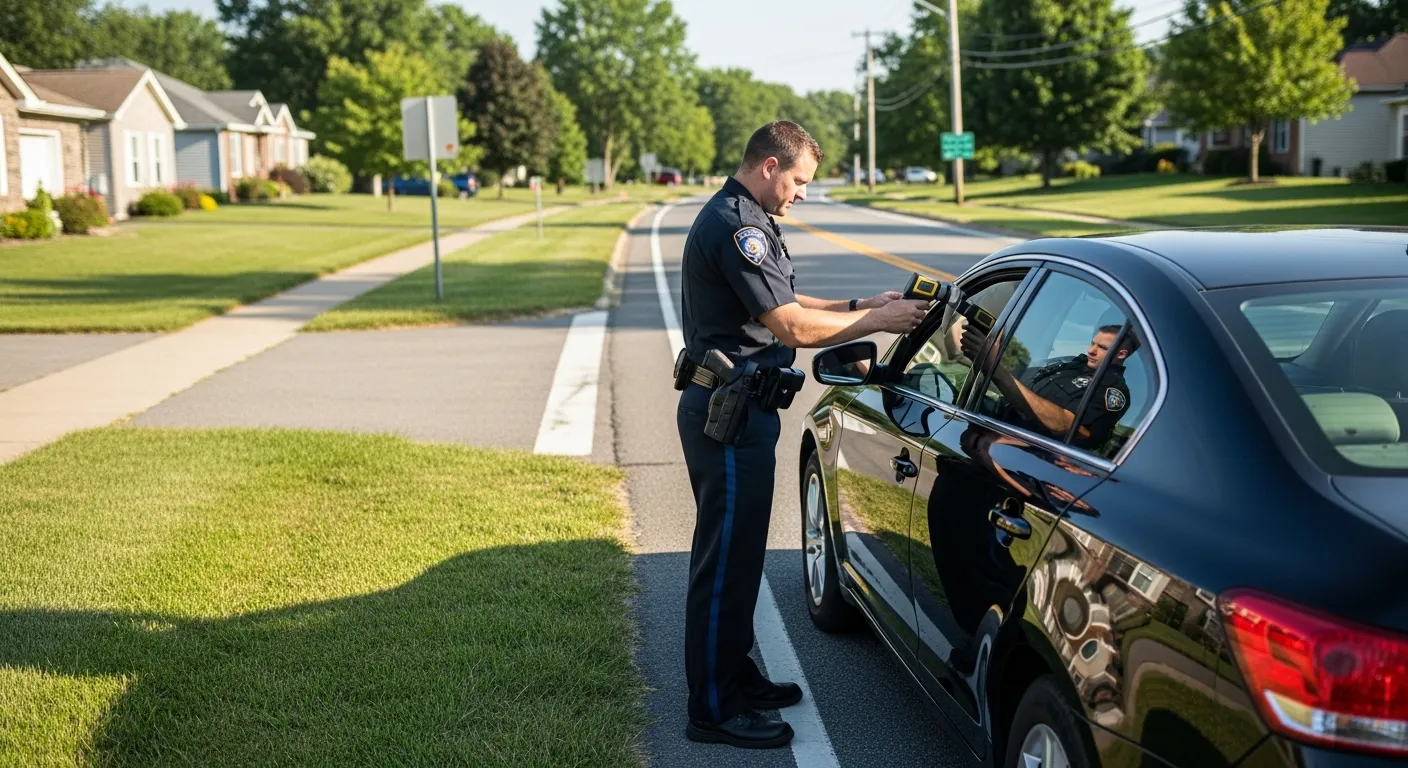
North Carolina window tint law changed December 1, 2025, under Session Law 2025-47, eliminating annual inspection tint checks and the associated ten dollar fee while keeping the 35 percent visible light transmission limit unchanged and adding a new roll-down requirement for all drivers stopped by law enforcement. The law, enacted as SB 391 and signed by Governor Josh Stein, shifts tint enforcement entirely to roadside police interaction under G.S. 20-127.
What the 2025 NC Window Tint Law Change Actually Did
Session Law 2025-47 made three specific changes to how North Carolina regulates aftermarket window tint on passenger vehicles and multipurpose vehicles statewide. Annual safety inspection mechanics no longer check window tint darkness as part of the vehicle inspection process. The ten dollar fee the North Carolina Division of Motor Vehicles collected specifically for the tint inspection component is eliminated. Drivers with tinted windows must now roll down the window on whichever side a law enforcement officer approaches during any traffic stop.
Inspection Checks Eliminated and What This Means
North Carolina vehicle inspections no longer include window tint measurement as of December 1, 2025. Previously, licensed inspection mechanics used calibrated light meter devices to verify that front side windows allowed at least 35 percent visible light transmission as required by G.S. 20-127. Vehicles failing the tint check could not pass inspection until owners removed the illegal film or obtained a repair order. That annual verification process no longer exists enforcement responsibility now rests exclusively with law enforcement officers during roadside traffic stops.
The Ten Dollar Inspection Fee Is Gone
The North Carolina Division of Motor Vehicles collected an additional ten dollar fee specifically for the window tint inspection component beyond the standard safety check cost. Session Law 2025-47 eliminated this fee effective December 1, 2025, reducing the overall cost of annual vehicle registration for drivers across the state. This financial change applies to all registered passenger vehicles and multipurpose vehicles that previously paid the separate tint inspection charge during annual safety inspections at licensed inspection stations.
The New Roll Down Requirement Explained
When any law enforcement officer approaches a vehicle during a traffic stop, the driver must roll down the window on whichever side the officer is standing before the officer reaches the vehicle. This requirement applies regardless of the reason for the traffic stop whether for speeding, equipment violations, license checks, or any other lawful reason for the interaction. The obligation extends equally to drivers with legally compliant tint, those with medical exemption permits, and any driver operating a vehicle with any aftermarket tint on front or rear side windows.
NC Window Tint Legal Limits in 2026
North Carolina window tint legal limits remain completely unchanged by Session Law 2025-47. Front side windows on passenger vehicles must allow at least 35 percent visible light transmission measured through both the glass and any aftermarket film applied to the surface. The windshield allows only non-reflective tint above the AS-1 line or within the top five inches. Red, amber, and yellow tint colors remain prohibited statewide. Tint reflectivity on any window must not exceed 20 percent, preventing mirror-like surfaces that create hazards for other motorists.
Passenger Vehicles and Multipurpose Vehicles Compared
North Carolina applies different tint rules depending on vehicle classification. Passenger vehicles sedans, coupes, and hatchbacks must maintain 35 percent VLT on both front and rear side windows along with the rear windshield. Multipurpose vehicles, which include sport utility vehicles, vans, trucks, and minivans, must maintain 35 percent VLT only on front side windows. Rear side windows and the rear windshield of multipurpose vehicles carry no darkness restriction under G.S. 20-127, allowing any level of tint darkness legally.
The 35 Percent vs 32 Percent Distinction
Two numbers define legal tint compliance in North Carolina, and understanding both prevents confusion during enforcement encounters. The statutory minimum is 35 percent visible light transmission. The enforcement standard is 32 percent the North Carolina Division of Motor Vehicles officially recognizes that any reading at or above 32 percent on an NC-approved tint meter constitutes conclusive compliance. This three percent variance accounts for measurement instrument variation and film degradation over time. A reading of 33 percent on an officer’s tint meter does not support a citation under the enforcement standard.
Reflectivity, Color Restrictions, and the Side Mirror Rule
Tint reflectivity must not exceed 20 percent on any window surface across all vehicle classifications. North Carolina prohibits red, amber, and yellow tint colors entirely because these shades can impair other drivers’ visibility or mimic emergency vehicle lighting signals. Drivers who tint the rear windshield of any vehicle must install dual side mirrors one on each side to maintain adequate rear visibility as required by state equipment regulations. Factory glass combined with aftermarket film produces a combined VLT reading; installers and owners should measure the combined result rather than the film alone.
Can Police Still Pull Drivers Over for Tint in NC
Yes, North Carolina police can still pull drivers over for window tint violations in 2026. Officers may initiate a stop when tint appears darker than legal limits, then verify using a calibrated tint meter. A reading below 32 percent on an NC-approved meter constitutes a violation under G.S. 20-127, even though annual inspection tint checks were eliminated December 1, 2025. Removing the inspection requirement changed where enforcement happens not whether enforcement happens.
How Officers Measure Tint Violations
Law enforcement officers throughout North Carolina carry portable tint meter devices calibrated to the NC-approved standard. Visual estimates alone cannot support a citation officers must measure actual visible light transmission percentages before issuing a violation. An officer who initiates a stop based on observed tint must use the meter to confirm the reading falls below 32 percent before writing the citation. This measurement requirement provides legal protection against arbitrary enforcement based solely on an officer’s visual judgment without objective verification of the actual VLT percentage.
The 15 Day Defense After a Tint Citation
Drivers cited for illegal window tint in North Carolina have a complete legal defense available under G.S. 20-127. A defendant who removes the illegal tint film within 15 days of the citation and presents a compliance certificate from the DMV or the North Carolina Highway Patrol in court can have the charge dismissed entirely. This defense eliminates the fine and prevents a Class 3 misdemeanor from appearing on the driving record. Acting within the 15-day window requires professional tint removal and obtaining the specific certificate from the appropriate agency before the court date.
Medical Exemptions Under the 2026 NC Tint Law
The Drivers Medical Evaluation Program continues offering medical exemption permits for drivers whose documented medical conditions require darker window tint for health protection. Eligible conditions include lupus, porphyria, severe photosensitivity disorders, albinism, and certain prescription medication sensitivities that make sunlight exposure medically dangerous. A licensed physician must complete the official medical evaluation form documenting the specific diagnosis and medical necessity before the North Carolina Division of Motor Vehicles issues an exemption permit authorizing darker tint darkness levels on the applicant’s vehicle.
Who Qualifies and How to Apply
Drivers seeking a medical tint exemption must obtain a completed medical evaluation form from a licensed physician who can document a qualifying photosensitivity condition. The physician submits the form to the Drivers Medical Evaluation Program for review. Approval is vehicle-specific each exemption permit applies to one registered vehicle and cannot transfer between vehicles. Approved permit holders receive a medical exception sticker that must be placed on the lower-left corner of the rear window and must carry the permit document in the vehicle at all times during operation.
Permit Rules Under Session Law 2025-47
Medical exception permits issued through the Drivers Medical Evaluation Program are valid for up to five years rather than indefinitely. North Carolina law now allows a maximum of four medical exception permits for a single applicant at any one time, an increase from the previous limit of two simultaneous permits. Permit holders whose conditions change or who no longer require darker tint must notify the North Carolina Division of Motor Vehicles. The Drivers Medical Evaluation Program may request updated medical documentation during the permit period if circumstances warrant review of the original approval.
Medical Exemption Holders and the Roll Down Rule
Holding a medical exception permit does not exempt a driver from the roll-down requirement created by Session Law 2025-47. When a law enforcement officer approaches a vehicle during a traffic stop, the driver must still roll down the window on the officer’s side regardless of exemption status. The medical exemption authorizes installation of darker tint beyond standard legal limits it does not modify officer safety protocols or create any exception to the window operation requirement during roadside law enforcement encounters throughout North Carolina.
Penalties for Illegal Window Tint in NC
A citation for illegal window tint in North Carolina carries a base fine of fifty dollars, but total costs typically exceed 238 dollars when including mandatory court costs and processing fees. The violation constitutes a Class 3 misdemeanor under G.S. 20-127, subjecting the cited driver to a potential criminal record beyond a simple traffic infraction. Court appearances may be required depending on county procedures and whether the defendant contests the citation or accepts responsibility through a reduced-penalty plea agreement before the scheduled hearing date.
Insurance Record Implications
Window tint citations appear on driving records maintained by the North Carolina Division of Motor Vehicles and remain visible to insurance companies during policy renewals and rate adjustments. Insurance providers treat equipment violations as indicators of overall driving behavior during risk assessment calculations. Multiple tint citations within a policy period can trigger premium increases reaching several hundred dollars annually beyond the original citation penalties. Drivers who use the 15-day defense to dismiss a charge avoid the driving record entry entirely, making that option the most financially advantageous response to a first tint citation.
Which Vehicles Are Exempt from NC Tint Laws
Certain vehicle categories operate outside the standard tint darkness restrictions under G.S. 20-127. Excursion passenger vehicles, motor homes, ambulances, limousines, and law enforcement vehicles are exempt from the standard VLT requirements that apply to ordinary passenger vehicles and multipurpose vehicles. Rear side windows and rear windshields of multipurpose vehicles including SUVs, trucks, vans, and minivans carry no darkness restriction regardless of the tint percentage installed. All vehicles, including exempt categories, remain subject to the roll-down requirement during law enforcement traffic stops.
What NC Drivers Should Do Now
Drivers currently operating vehicles with aftermarket tint should visit a professional tint shop offering free light meter testing to verify that existing film meets the 32 percent enforcement standard. Professional tint shops in Charlotte, Raleigh, Greensboro, Durham, and Winston-Salem routinely provide written documentation of measured VLT percentages. Keeping this written record in the vehicle alongside registration and insurance documentation gives drivers objective evidence of compliance if an officer questions tint darkness during a traffic stop.
Drivers whose tint reads below 32 percent on an NC-approved meter should arrange professional removal and replacement before encountering enforcement. The cost of professional tint removal and compliant reinstallation typically between 150 and 300 dollars depending on the number of windows is substantially less than accumulated fines, court costs exceeding 238 dollars, misdemeanor record consequences, and insurance premium increases that illegal tint violations can generate over multiple years of the driving record retention period.
Drivers holding medical exemption permits should confirm that their permits reflect the updated five-year validity period and carry both the permit document and the NCDMV exception sticker properly displayed on the lower-left corner of the rear window. Developing the habit of rolling down the window immediately when a law enforcement officer’s lights activate removes the risk of a separate citation for non-compliance with the roll-down requirement, which applies to every driver with tinted windows regardless of tint legality, exemption status, or the original reason for the traffic stop.
As North Carolina shifts window tint enforcement entirely to roadside interactions, individual driver responsibility replaces the automatic annual verification that inspections previously provided. Drivers who verify compliance proactively and understand the 15-day defense available under G.S. 20-127 are better positioned to navigate enforcement encounters with minimal legal and financial consequence. The North Carolina Division of Motor Vehicles maintains current information on permit applications, approved meter standards, and exemption program requirements for drivers seeking official guidance on the updated framework.
This article is intended for informational purposes only and does not constitute legal advice. Readers should consult a qualified legal professional for advice specific to their situation.